
How do Padlocks work?
Someone graciously left a padlock unattended in the machine shop so I took the liberty of disassembling it and reverse engineering the insides.
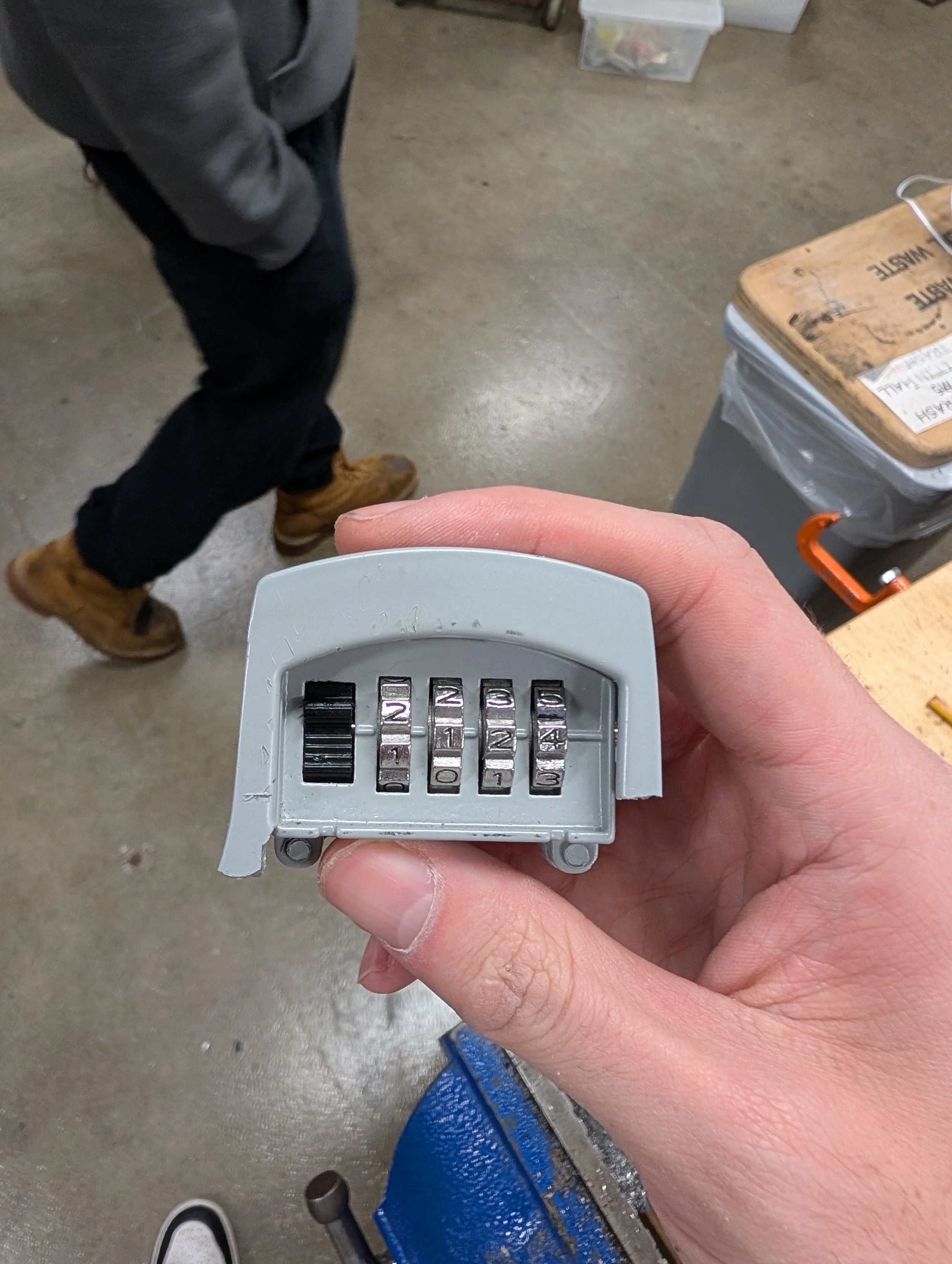
Part 1: Wheels and Tumblers
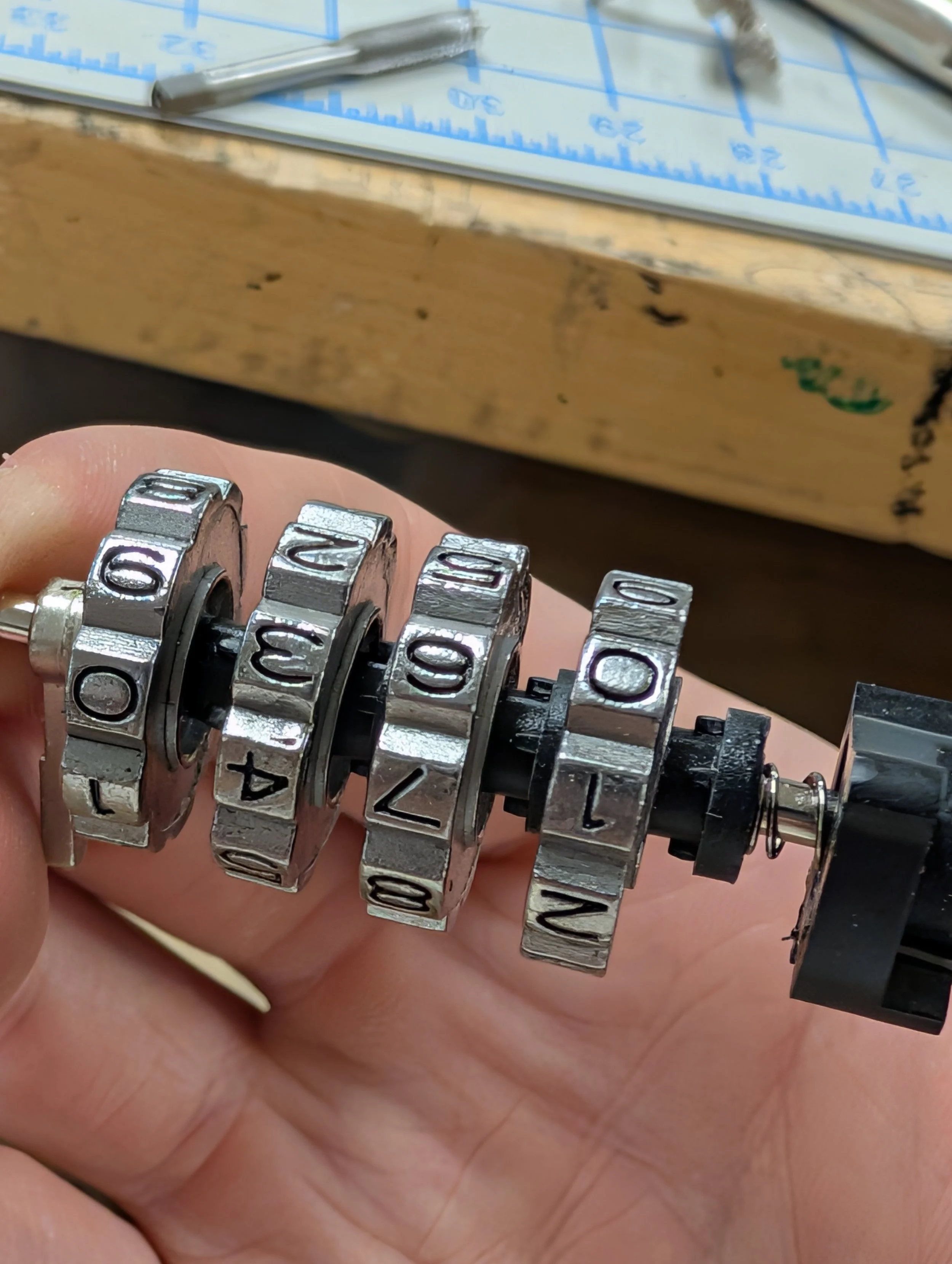
Every lock regardless of operation has a way to input a code to the lock for unlocking. With tumblers your key will line up the tumblers and allow the lock to open, In this case however we have wheels where you line up the numbers and slots in disks that are lined up with the wheels will allow you to open up the lock
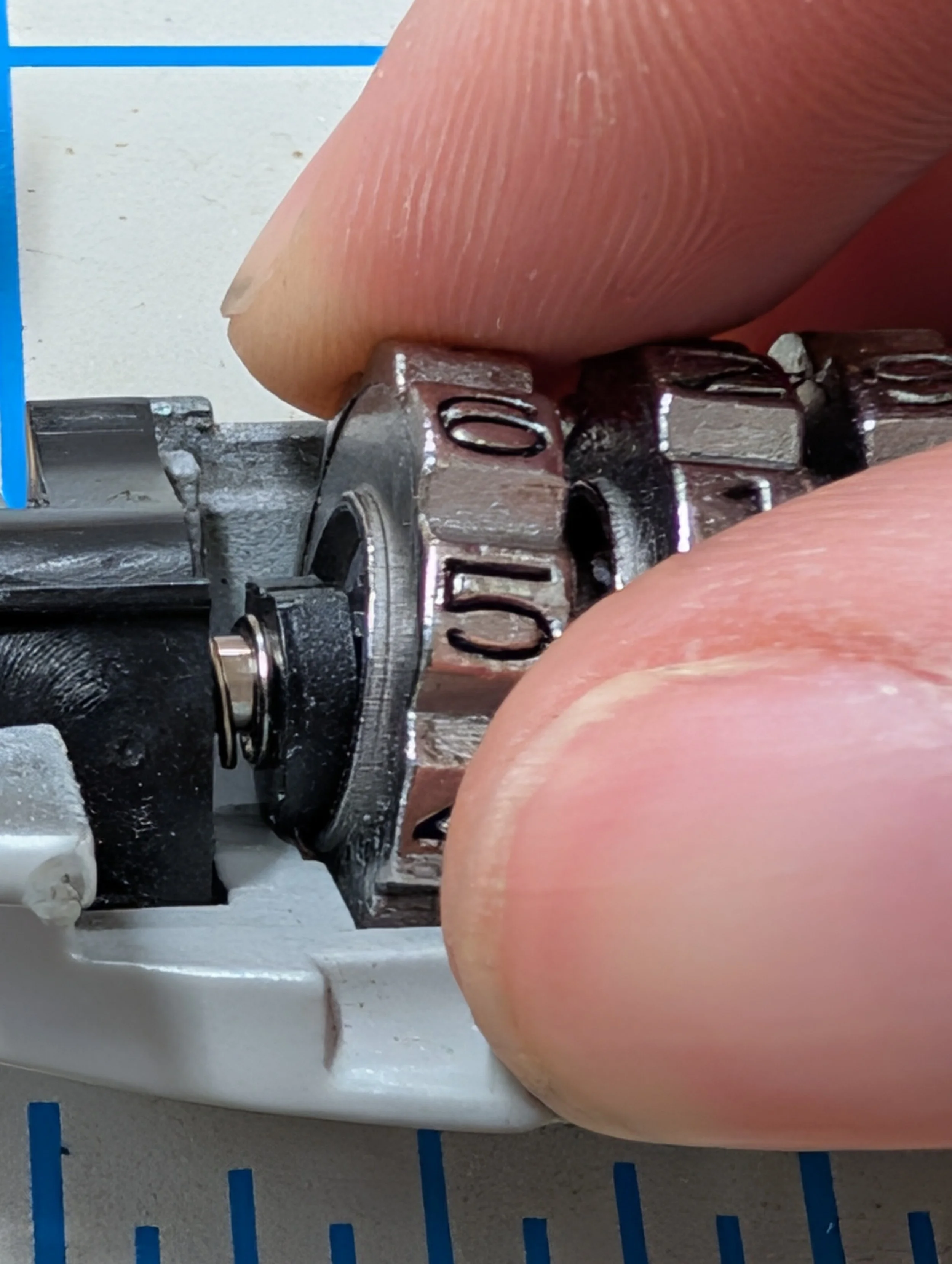
that flat spot is what gives space for the latch to open
Part 2: Locking Bar
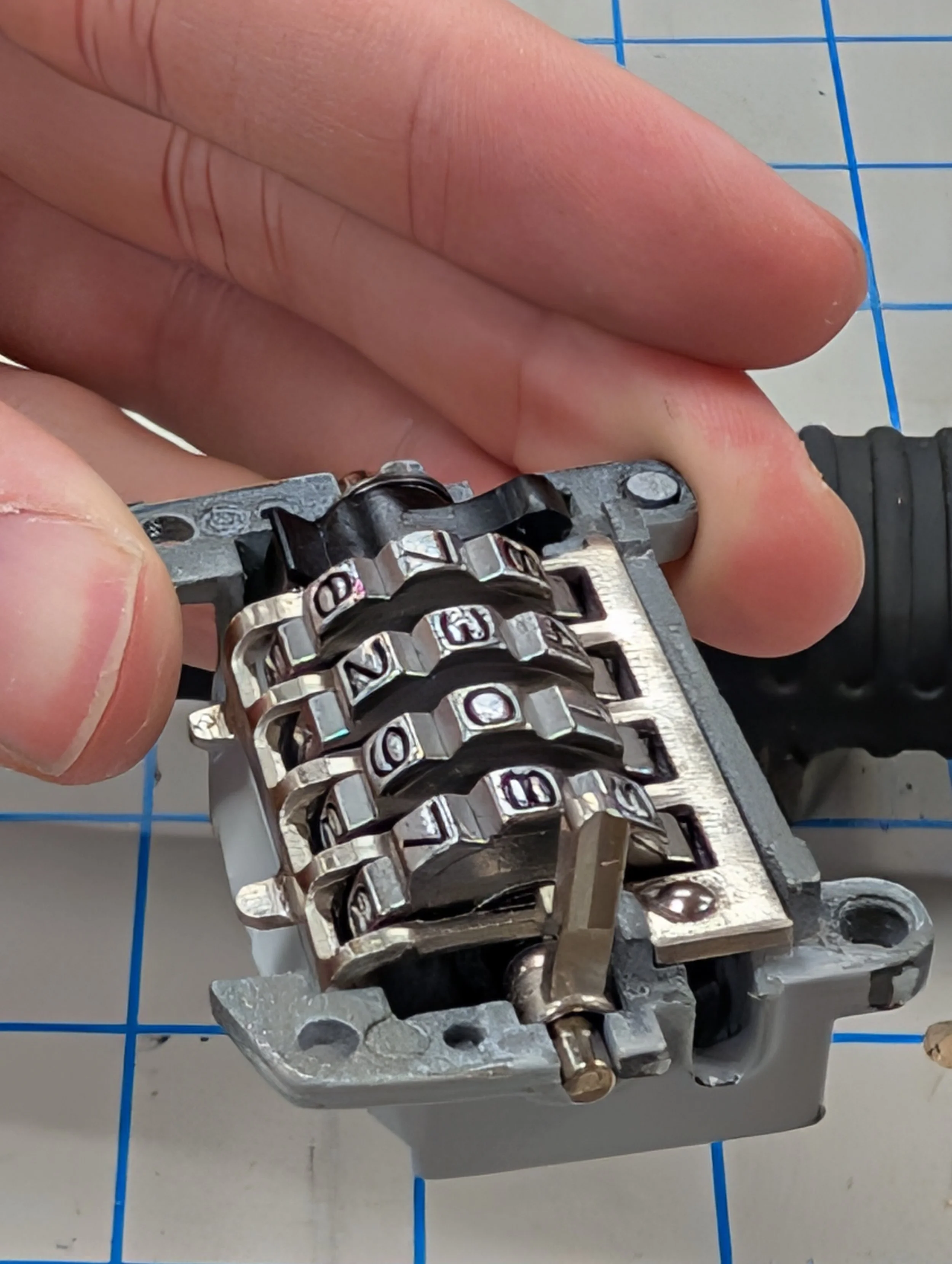
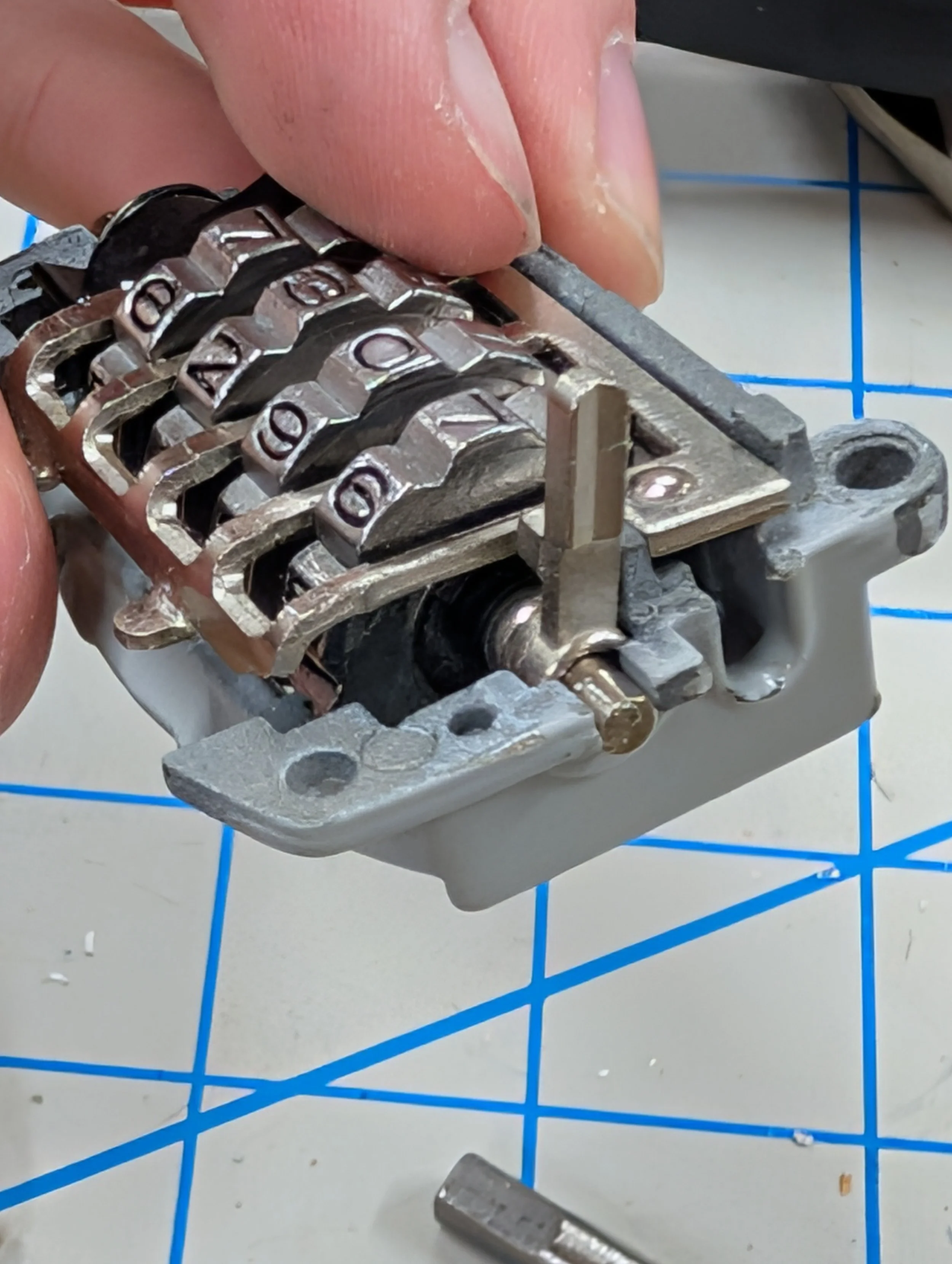
Here you can see the locking bar up vs down, the one thats slightly higher is locked
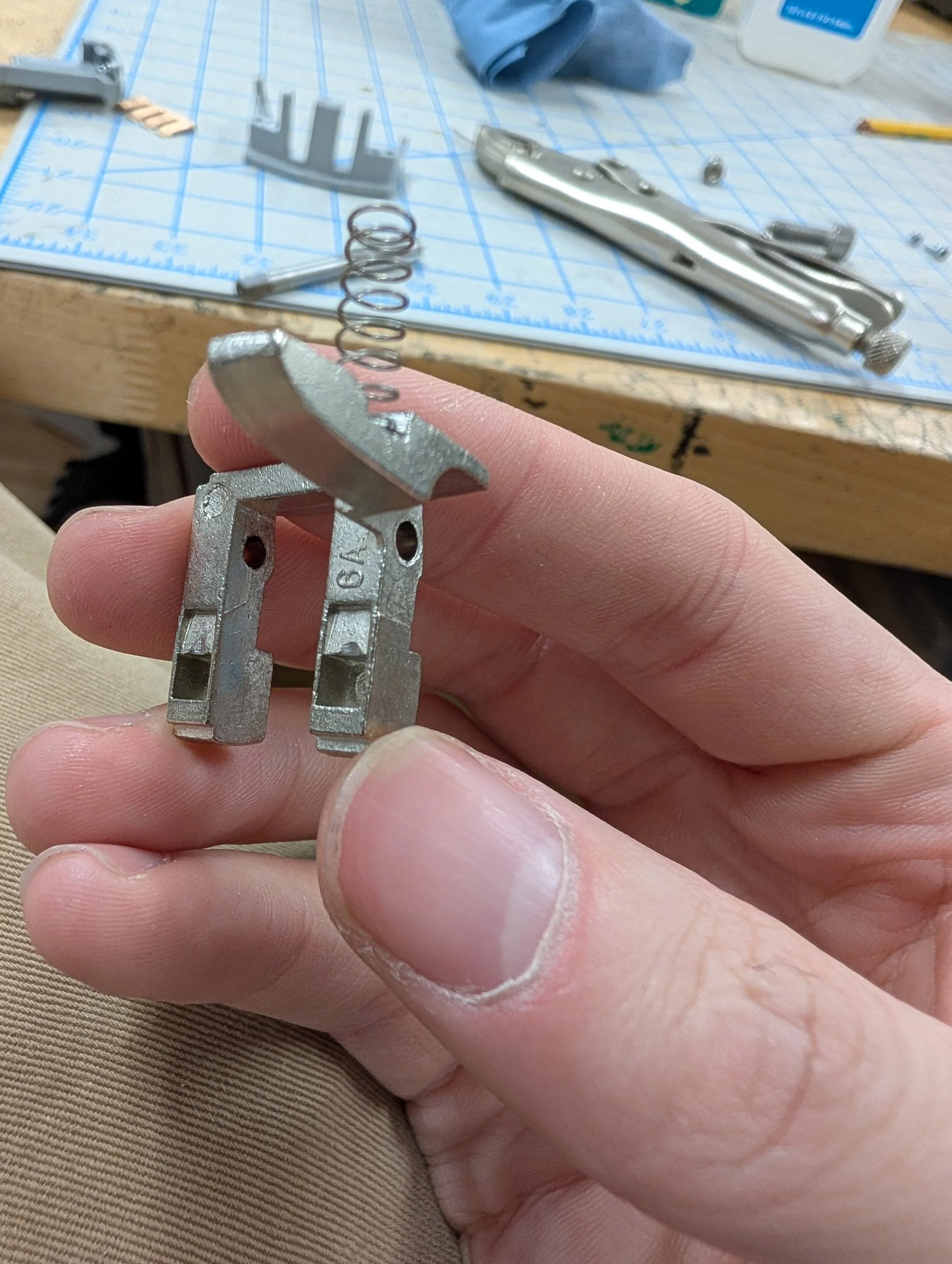
these 2 holes in the latch line up with the 2 bumps on the metal cage and provide 2 clear positions (open/close) the latch stays in the same position while the cage moves
This video shows a quick disassembly and illustration of the cage moving up and down when the code is correct vs incorrect
Part 3: Reset Mechanism
These plastic disks under each wheel has the ability to be pushed out of the way and the number associated with the flat spot can be moved
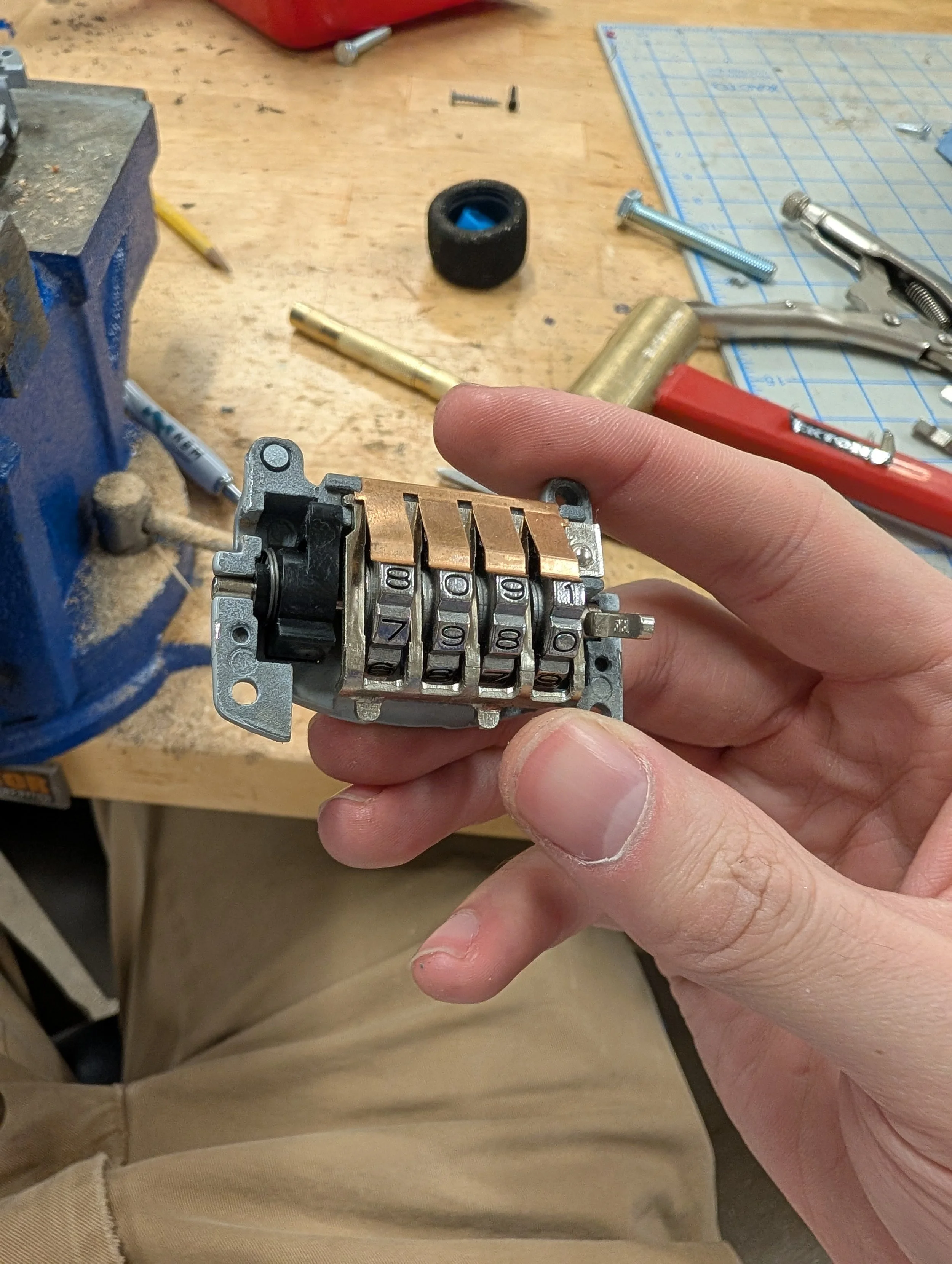
that silver lever on the right side acts as a clutch, disengaging the wheels, allowing them to spin independent of the disks, which hold the correct code. In more simple words it allows you to change the code quickly and easily.
Part 4: Potential Vulnerability
With this style of lock, there will be slight gaps where you can see into the mechanism. For the sake of cost they use tolerances that cause gaps in the case. If you can see into the case, you can usually see the flat spots in the wheels and decipher the code. Please only practice this on locks you own, as lock-picking with criminal intent is a crime, also carrying lock-picking tools is unlawful.
